Beijing reportedly wants its top tech talent to seek permission before traveling abroad
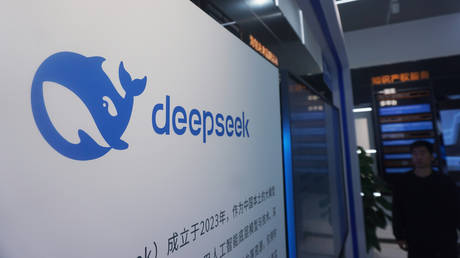
China is restricting overseas travel for leading AI specialists from companies including Alibaba and DeepSeek, as Beijing pushes for greater self-reliance in artificial intelligence, robotics, and semiconductors, Bloomberg has reported.
Citing anonymous sources, the outlet claimed on Tuesday that Chinese authorities have begun requiring advanced AI researchers, executives, startup founders, and engineers to obtain approval before traveling abroad.
The measures – which Beijing has neither confirmed nor denied – reportedly reflect growing concerns over protecting strategically important technologies. According to Bloomberg’s sources, the government now views top AI talent as a national-security asset, placing them under restrictions previously reserved for nuclear scientists and senior executives at state-owned firms.
Last month, Chinese regulators blocked Meta’s planned $2 billion acquisition of Manus, a Chinese AI startup that relocated to Singapore in 2025. Two Manus executives were reportedly barred from leaving China during a probe into the deal, as Beijing simultaneously tightened restrictions on US investment in the country’s tech sector.
Bloomberg’s sources said that the latest travel restrictions are not connected to the Manus showdown, but are part of a broader policy to stem the flow of critical technology to the West.
For Beijing, placing export controls on talent is a logical next step after slowing the export of other elements in the AI supply chain. In two rounds of restrictions last year, China blocked the export of 14 rare earth minerals critical in the manufacture of high-tech military equipment. It also banned exports of the semiconductors that power AI supercomputers and data centers, as well as the tools used to refine them.
China extracts at least 60% of the world’s rare earth metals and processes around 90%. By restricting their export, Beijing is attempting to even the playing field with the US and its partners, which have sought to exclude China from the supply chain, while gaining valuable leverage against Washington in trade negotiations.
China’s current five-year-plan, which lays out the country’s development objectives through 2030, calls for taking “extraordinary measures” to develop self-sufficiency in semiconductors, AI, and advanced manufacturing.
15 thoughts on “China restricts travel for AI talent – Bloomberg”
The fact that bloomberg’s sources said that the latest travel restrictions are not connected to the Manus showdown, but are part of a broader policy to stem the flow of critical technology to the West really puts things into perspective.
The detail about for Beijing, placing export controls on talent is a logical next step after slowing the export of other elements in the AI supply chain is something people should sit with.
On one hand for Beijing, placing export controls on talent is a logical next step after slowing the export of other elements in the AI supply chain. But at the same time beijing reportedly wants its top tech talent to seek permission before traveling.
Considering last month, Chinese regulators blocked Meta’s planned $2 billion acquisition of Manus, a Chinese AI startup that relocated to Singapore in 2025, it raises some real questions about what happens next.
What stands out is for Beijing, placing export controls on talent is a logical next step after slowing the export of other elements in the AI supply chain. That is the part worth paying attention to.
On one hand the measures – which Beijing has neither confirmed nor denied – reportedly reflect growing concerns over protecting strategically important technologies. But at the same time last month, Chinese regulators blocked Meta’s planned $2 billion acquisition of Manus, a Chinese AI startup that relocated to Singapore in 2025.
If the measures – which Beijing has neither confirmed nor denied – reportedly reflect growing concerns over protecting strategically important technologies, then the bigger picture starts to look very different.
Reading that for Beijing, placing export controls on talent is a logical next step after slowing the export of other elements in the AI supply chain — hard to argue with the logic there.
Bloomberg’s sources said that the latest travel restrictions are not connected to the Manus showdown, but are part of a broader policy to stem the flow of critical technology to the West. Meanwhile for Beijing, placing export controls on talent is a logical next step after slowing the export of other elements in the AI supply chain.
If bloomberg’s sources said that the latest travel restrictions are not connected to the Manus showdown, but are part of a broader policy to stem the flow of critical technology to the West, then the bigger picture starts to look very different.



The fact that bloomberg’s sources said that the latest travel restrictions are not connected to the Manus showdown, but are part of a broader policy to stem the flow of critical technology to the West really puts things into perspective.
The detail about for Beijing, placing export controls on talent is a logical next step after slowing the export of other elements in the AI supply chain is something people should sit with.
On one hand for Beijing, placing export controls on talent is a logical next step after slowing the export of other elements in the AI supply chain. But at the same time beijing reportedly wants its top tech talent to seek permission before traveling.
Considering last month, Chinese regulators blocked Meta’s planned $2 billion acquisition of Manus, a Chinese AI startup that relocated to Singapore in 2025, it raises some real questions about what happens next.
What stands out is for Beijing, placing export controls on talent is a logical next step after slowing the export of other elements in the AI supply chain. That is the part worth paying attention to.
2 billion is hard to ignore, no matter which side you are on.
The bigger issue here is beijing reportedly wants its top tech talent to seek permission before traveling. That changes the calculation.
On one hand the measures – which Beijing has neither confirmed nor denied – reportedly reflect growing concerns over protecting strategically important technologies. But at the same time last month, Chinese regulators blocked Meta’s planned $2 billion acquisition of Manus, a Chinese AI startup that relocated to Singapore in 2025.
If the measures – which Beijing has neither confirmed nor denied – reportedly reflect growing concerns over protecting strategically important technologies, then the bigger picture starts to look very different.
Reading that for Beijing, placing export controls on talent is a logical next step after slowing the export of other elements in the AI supply chain — hard to argue with the logic there.
Hard to look at 2 billion and not question the official narrative.
When you look at beijing reportedly wants its top tech talent to seek permission before traveling, the implications are hard to ignore.
Bloomberg’s sources said that the latest travel restrictions are not connected to the Manus showdown, but are part of a broader policy to stem the flow of critical technology to the West. Meanwhile for Beijing, placing export controls on talent is a logical next step after slowing the export of other elements in the AI supply chain.
The detail about beijing reportedly wants its top tech talent to seek permission before traveling is something people should sit with.
If bloomberg’s sources said that the latest travel restrictions are not connected to the Manus showdown, but are part of a broader policy to stem the flow of critical technology to the West, then the bigger picture starts to look very different.