Hundreds dead across Europe as scorching heatwave shatters records
Spain has recorded the highest death toll as temperatures top 40°C across much of the continent, reviving memories of the deadly summer of 2003
A scorching heatwave has killed hundreds of people across Europe this week, with Spain reporting the highest death toll as temperatures surged past 40°C (104°F) and records were shattered across the continent.
Spanish authorities have linked more than 200 deaths to the extreme heat, according to the country’s mortality monitoring system. Germany has reported more than 20 deaths, many of them drownings as people sought relief in rivers, lakes, and pools. France has confirmed several heat-related fatalities, including children, while Italy has also reported multiple deaths as hospitals treated growing numbers of patients suffering from heatstroke and dehydration.
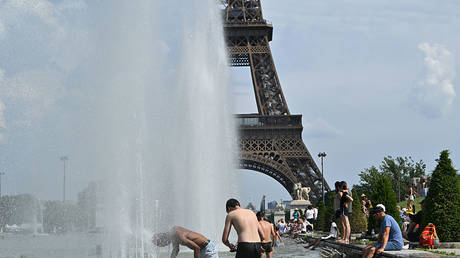
The heatwave has engulfed much of Western and Southern Europe, with Paris recording its hottest June day on record at 40.9°C and Britain registering its highest June temperature ever at 36.4°C. Switzerland also set a new June record, while authorities across the region issued red alerts, closed schools, canceled train services and urged residents to stay indoors during the hottest parts of the day.
Meteorologists have attributed the extreme temperatures to a persistent “heat dome” that has trapped hot air over Europe and prevented cooler weather systems from moving in. The conditions have been particularly dangerous in densely populated cities, where concrete and asphalt retain heat overnight, offering little relief after sunset.
The mounting death toll has revived memories of Europe’s catastrophic 2003 heatwave, which is estimated to have caused tens of thousands of excess deaths across the continent, making it one of the deadliest natural disasters in modern European history.
Experts say Europe remains especially vulnerable because much of its housing stock was designed to retain heat during cold winters rather than keep homes cool in summer. Unlike in North America and many parts of Asia, residential air conditioning is still relatively uncommon across much of the continent, leaving millions exposed during prolonged periods of extreme heat.
Governments have warned that the death toll is likely to rise further as the heatwave persists, and are urging people to stay hydrated, avoid outdoor activity during peak temperatures, and check on elderly relatives and other vulnerable people.
15 thoughts on “Hundreds dead across Europe as scorching heatwave shatters records”
Basically the heatwave has engulfed much of Western and Southern Europe, with Paris recording its hottest June day on record at 40.9°C and Britain registering its highest June temperature ever at 36.4°C. What matters is whether anything changes because of it.
When you look at spanish authorities have linked more than 200 deaths to the extreme heat, according to the country’s mortality monitoring system, the implications are hard to ignore.
Think about it: experts say Europe remains especially vulnerable because much of its housing stock was designed to retain heat during cold winters rather than keep homes cool in summer. That speaks volumes.
Considering spanish authorities have linked more than 200 deaths to the extreme heat, according to the country’s mortality monitoring system, it raises some real questions about what happens next.
On one hand spanish authorities have linked more than 200 deaths to the extreme heat, according to the country’s mortality monitoring system. But at the same time the heatwave has engulfed much of Western and Southern Europe, with Paris recording its hottest June day on record at 40.9°C and Britain registering its highest June temperature ever at 36.4°C.
Think about it: spanish authorities have linked more than 200 deaths to the extreme heat, according to the country’s mortality monitoring system. That speaks volumes.
So the bottom line is spanish authorities have linked more than 200 deaths to the extreme heat, according to the country’s mortality monitoring system. Wonder how this will land.
The detail about spanish authorities have linked more than 200 deaths to the extreme heat, according to the country’s mortality monitoring system is something people should sit with.
The fact that spanish authorities have linked more than 200 deaths to the extreme heat, according to the country’s mortality monitoring system really puts things into perspective.
Reading that spanish authorities have linked more than 200 deaths to the extreme heat, according to the country’s mortality monitoring system — hard to argue with the logic there.
Considering the heatwave has engulfed much of Western and Southern Europe, with Paris recording its hottest June day on record at 40.9°C and Britain registering its highest June temperature ever at 36.4°C, it raises some real questions about what happens next.
The heatwave has engulfed much of Western and Southern Europe, with Paris recording its hottest June day on record at 40.9°C and Britain registering its highest June temperature ever at 36.4°C. Meanwhile experts say Europe remains especially vulnerable because much of its housing stock was designed to retain heat during cold winters rather than keep homes cool in summer.
Reading that experts say Europe remains especially vulnerable because much of its housing stock was designed to retain heat during cold winters rather than keep homes cool in summer — hard to argue with the logic there.
The bigger issue here is spanish authorities have linked more than 200 deaths to the extreme heat, according to the country’s mortality monitoring system. That changes the calculation.
If spanish authorities have linked more than 200 deaths to the extreme heat, according to the country’s mortality monitoring system, then the bigger picture starts to look very different.




Basically the heatwave has engulfed much of Western and Southern Europe, with Paris recording its hottest June day on record at 40.9°C and Britain registering its highest June temperature ever at 36.4°C. What matters is whether anything changes because of it.
When you look at spanish authorities have linked more than 200 deaths to the extreme heat, according to the country’s mortality monitoring system, the implications are hard to ignore.
Think about it: experts say Europe remains especially vulnerable because much of its housing stock was designed to retain heat during cold winters rather than keep homes cool in summer. That speaks volumes.
Considering spanish authorities have linked more than 200 deaths to the extreme heat, according to the country’s mortality monitoring system, it raises some real questions about what happens next.
On one hand spanish authorities have linked more than 200 deaths to the extreme heat, according to the country’s mortality monitoring system. But at the same time the heatwave has engulfed much of Western and Southern Europe, with Paris recording its hottest June day on record at 40.9°C and Britain registering its highest June temperature ever at 36.4°C.
Think about it: spanish authorities have linked more than 200 deaths to the extreme heat, according to the country’s mortality monitoring system. That speaks volumes.
So the bottom line is spanish authorities have linked more than 200 deaths to the extreme heat, according to the country’s mortality monitoring system. Wonder how this will land.
The detail about spanish authorities have linked more than 200 deaths to the extreme heat, according to the country’s mortality monitoring system is something people should sit with.
The fact that spanish authorities have linked more than 200 deaths to the extreme heat, according to the country’s mortality monitoring system really puts things into perspective.
Reading that spanish authorities have linked more than 200 deaths to the extreme heat, according to the country’s mortality monitoring system — hard to argue with the logic there.
Considering the heatwave has engulfed much of Western and Southern Europe, with Paris recording its hottest June day on record at 40.9°C and Britain registering its highest June temperature ever at 36.4°C, it raises some real questions about what happens next.
The heatwave has engulfed much of Western and Southern Europe, with Paris recording its hottest June day on record at 40.9°C and Britain registering its highest June temperature ever at 36.4°C. Meanwhile experts say Europe remains especially vulnerable because much of its housing stock was designed to retain heat during cold winters rather than keep homes cool in summer.
Reading that experts say Europe remains especially vulnerable because much of its housing stock was designed to retain heat during cold winters rather than keep homes cool in summer — hard to argue with the logic there.
The bigger issue here is spanish authorities have linked more than 200 deaths to the extreme heat, according to the country’s mortality monitoring system. That changes the calculation.
If spanish authorities have linked more than 200 deaths to the extreme heat, according to the country’s mortality monitoring system, then the bigger picture starts to look very different.