Israel saved missiles while US burned through its stocks during Iran war – WaPo
American forces reportedly engaged twice as many Iranian missiles as the IDF
Israel conserved its air defense interceptors during the war on Iran, while the US expended significant portions of its own high-tech stockpiles, the Washington Post reported on Thursday, citing anonymous US officials.
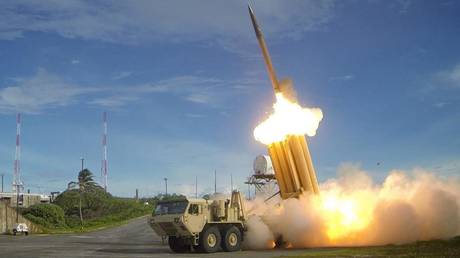
American forces used more than 200 THAAD interceptors, around half of the total US stockpile, and over 100 SM-3 and SM-6 missiles, three officials told the outlet. Israel, by contrast, allegedly used only 100 Arrow interceptors and 90 David’s Sling interceptors, some of them against less advanced missiles fired from Yemen and Lebanon.
“The United States absorbed most of the missile defense mission while Israel conserved its own magazines,” the newspaper quoted Kelly Grieco, a senior fellow at the Stimson Center think tank, as saying. The figures suggest a “lopsided dynamic,” WaPo wrote, although the Pentagon and the Israeli government both defended the balance of resources used.
The Pentagon has claimed less than $30 billion in direct spending, but skeptics say the cost of replacing spent munitions and lost assets, as well as the long-term impact on the American economy, could exceed $1 trillion.
While Washington’s interceptor stockpiles have dwindled and new production cannot keep pace with demand, Tehran allegedly preserved much of its offensive capability. Iran has retained around 70% of its mobile launchers and missile stockpile, and regained access to 90% of underground military facilities damaged by US-Israeli bombings, according to earlier US media reports.
Despite President Donald Trump’s repeated threats to resume attacks unless Tehran accepts his peace terms, many observers have suggested that repeated extensions of the fragile April ceasefire show he is seeking an off-ramp from the increasingly costly and unpopular conflict. Israel, meanwhile, is reportedly pushing Washington to finish the job while Tehran is weak.
Tehran has confirmed that it is reviewing Washington’s updated proposals, but President Masoud Pezeshkian warned that “forcing Iran to surrender through coercion is nothing but an illusion.” Foreign Ministry spokesman Esmaeil Baghaei said talks can succeed if the US ends its “piracy” against Iranian ships and agrees to release frozen funds, while Israel must end its war in Lebanon.
15 thoughts on “Israel saved missiles while US burned through its stocks during Iran war – WaPo”
The detail about american forces used more than 200 THAAD interceptors, around half of the total US stockpile, and over 100 SM-3 and SM-6 missiles, three officials told the outlet is something people should sit with.
American forces used more than 200 THAAD interceptors, around half of the total US stockpile, and over 100 SM-3 and SM-6 missiles, three officials told the outlet. Meanwhile while Washington’s interceptor stockpiles have dwindled and new production cannot keep pace with demand, Tehran allegedly preserved much of its offensive capability.
If while Washington’s interceptor stockpiles have dwindled and new production cannot keep pace with demand, Tehran allegedly preserved much of its offensive capability, then the bigger picture starts to look very different.
Considering american forces used more than 200 THAAD interceptors, around half of the total US stockpile, and over 100 SM-3 and SM-6 missiles, three officials told the outlet, it raises some real questions about what happens next.
On one hand american forces used more than 200 THAAD interceptors, around half of the total US stockpile, and over 100 SM-3 and SM-6 missiles, three officials told the outlet. But at the same time while Washington’s interceptor stockpiles have dwindled and new production cannot keep pace with demand, Tehran allegedly preserved much of its offensive capability.
On one hand while Washington’s interceptor stockpiles have dwindled and new production cannot keep pace with demand, Tehran allegedly preserved much of its offensive capability. But at the same time american forces used more than 200 THAAD interceptors, around half of the total US stockpile, and over 100 SM-3 and SM-6 missiles, three officials told the outlet.
Reading that while Washington’s interceptor stockpiles have dwindled and new production cannot keep pace with demand, Tehran allegedly preserved much of its offensive capability — hard to argue with the logic there.
What stands out is while Washington’s interceptor stockpiles have dwindled and new production cannot keep pace with demand, Tehran allegedly preserved much of its offensive capability. That is the part worth paying attention to.
Reading that american forces used more than 200 THAAD interceptors, around half of the total US stockpile, and over 100 SM-3 and SM-6 missiles, three officials told the outlet — hard to argue with the logic there.
In other words while Washington’s interceptor stockpiles have dwindled and new production cannot keep pace with demand, Tehran allegedly preserved much of its offensive capability. Curious to see how this develops.



The detail about american forces used more than 200 THAAD interceptors, around half of the total US stockpile, and over 100 SM-3 and SM-6 missiles, three officials told the outlet is something people should sit with.
American forces used more than 200 THAAD interceptors, around half of the total US stockpile, and over 100 SM-3 and SM-6 missiles, three officials told the outlet. Meanwhile while Washington’s interceptor stockpiles have dwindled and new production cannot keep pace with demand, Tehran allegedly preserved much of its offensive capability.
If while Washington’s interceptor stockpiles have dwindled and new production cannot keep pace with demand, Tehran allegedly preserved much of its offensive capability, then the bigger picture starts to look very different.
Kelly Grieco is in a tough spot here, curious how they navigate it.
Considering american forces used more than 200 THAAD interceptors, around half of the total US stockpile, and over 100 SM-3 and SM-6 missiles, three officials told the outlet, it raises some real questions about what happens next.
Hard to look at 1 trillion and not question the official narrative.
30 billion — and that is probably just the official count.
On one hand american forces used more than 200 THAAD interceptors, around half of the total US stockpile, and over 100 SM-3 and SM-6 missiles, three officials told the outlet. But at the same time while Washington’s interceptor stockpiles have dwindled and new production cannot keep pace with demand, Tehran allegedly preserved much of its offensive capability.
Kelly Grieco has been pushing this agenda for a while now.
On one hand while Washington’s interceptor stockpiles have dwindled and new production cannot keep pace with demand, Tehran allegedly preserved much of its offensive capability. But at the same time american forces used more than 200 THAAD interceptors, around half of the total US stockpile, and over 100 SM-3 and SM-6 missiles, three officials told the outlet.
Kelly Grieco has been vocal about this, good to see them staying on it.
Reading that while Washington’s interceptor stockpiles have dwindled and new production cannot keep pace with demand, Tehran allegedly preserved much of its offensive capability — hard to argue with the logic there.
What stands out is while Washington’s interceptor stockpiles have dwindled and new production cannot keep pace with demand, Tehran allegedly preserved much of its offensive capability. That is the part worth paying attention to.
Reading that american forces used more than 200 THAAD interceptors, around half of the total US stockpile, and over 100 SM-3 and SM-6 missiles, three officials told the outlet — hard to argue with the logic there.
In other words while Washington’s interceptor stockpiles have dwindled and new production cannot keep pace with demand, Tehran allegedly preserved much of its offensive capability. Curious to see how this develops.